

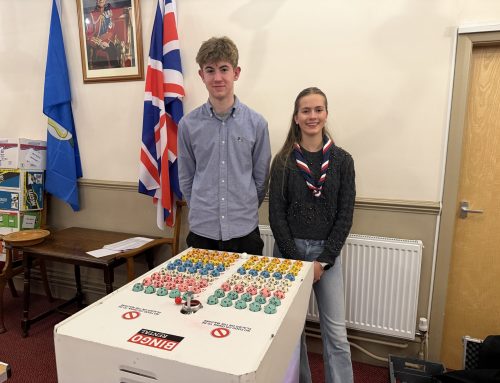
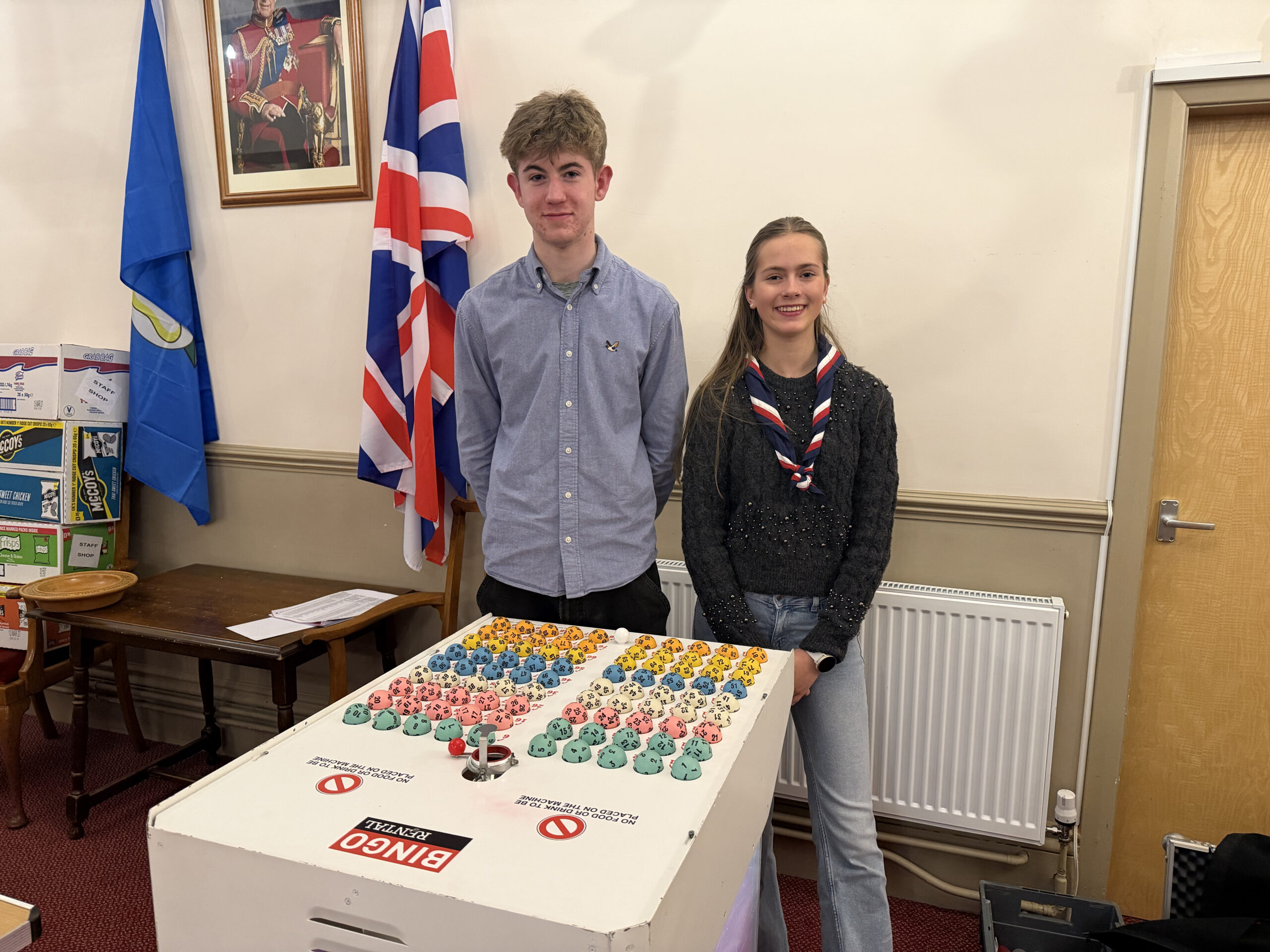
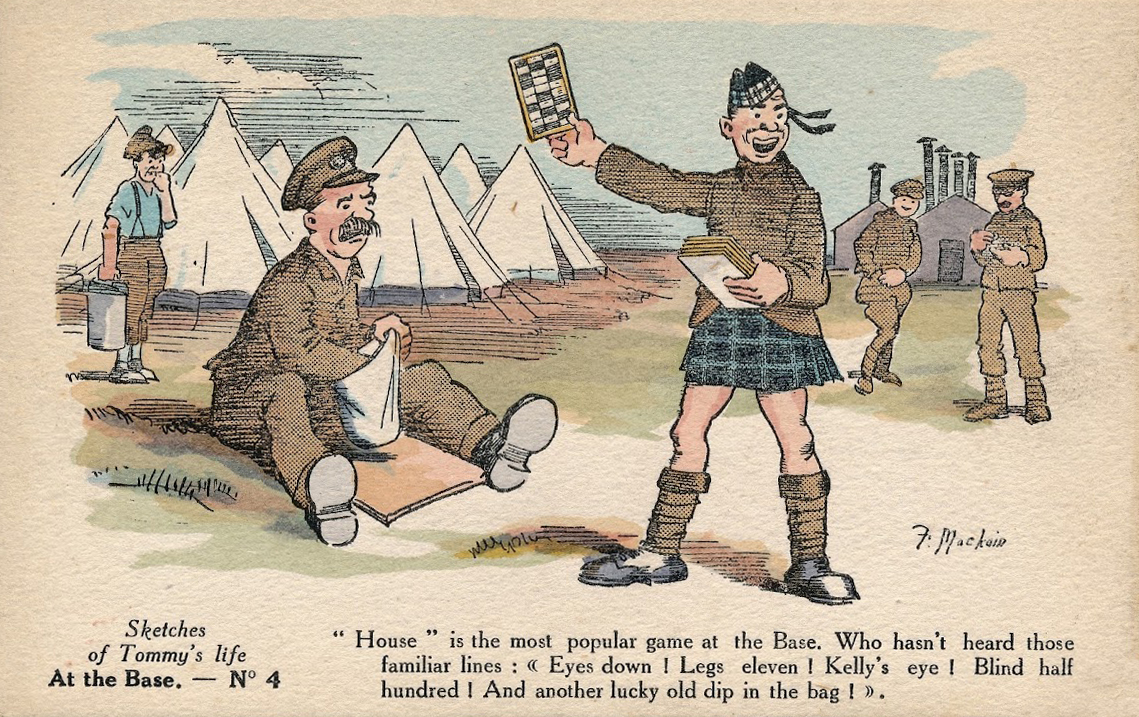
The audience was packed; everyone was dabbing at their bingo cards, waiting for the next number to be called. For this game, the host, Hannah Crosbie, was calling using Bingo Lingo. When you hire one of our machines, we provide a full list; you don’t have to use it, but it can be fun when you do.
“52”, a slight pause while Hannah looked up the lingo, “52, Danny La Rue, who the **** is Danny La Rue”
To be fair, Hannah is The Guardian’s wine critic, and at just 26 years old at the time of the bingo event in the Moth Club London, was very young when La Rue was a star. He died in 2009, after stopping touring three years earlier.
Yet he was an icon of the stage and screen and, in 1979, was proclaimed Entertainer of the Decade. In the 1970s and 1980s, he was everywhere on TV, in films, and on stage. For a while, he was the highest-paid UK entertainer.
While his star might have faded for today’s generations, his legacy lives on.
Before La Rue, drag acts were often viewed as coarse or low-rent. He transformed the trade by introducing high-budget, glittering spectacle, wearing expensive designer gowns, massive ostrich-feather trains, and immaculate wigs.
He didn’t try to pass as a silent, serious woman. Instead, he greeted audiences in a booming, unladylike voice: “Wotcha, mates!” making it clear he was an actor giving a comedic performance rather than pretending to be a real woman.
In other words, La Rue legitimised drag, taking it from the seedy clubs in the back streets to the mainstream. Later stars like Paul O’Grady’s, Lily Savage and RuPaul owe a lot to Danny.
Born Daniel Patrick Carroll in Cork City, Ireland, in 1927, La Rue was the youngest of five siblings. The family moved to Covent Garden, London, when his father died.
While in the Navy, he ended up in a concert party entertaining the troops in the Far East. After being demobilised, there was a vogue for “all-male revue”, made popular by wartime troop entertainments and concert parties. Danny joined a revue company touring for several years, playing most of the variety venues across the UK.
At the height of his career, La Rue owned a nightclub, two hotels and a stately home, but he lost most of his money in trusting associates who turned out to be conmen.
He was appointed OBE in the 2002 Queen’s Birthday Honours List.
La Rue was known as a female impersonator, although he preferred to be called a “comic in a frock”.
Butlin’s famously replaced the Danny La Rue call in 2003 with Chicken Vinadloo, tasking Charlie Blake, then professor of popular culture at University College, Northampton, to devise a new list.
At the time, Blake said: “Traditional bingo calls are a barometer of 1950s Britain. My task was to find reference points from 2003 society and culture – from technology and food through to celebrities and TV – which would have a much greater meaning to the public today.”
Normally I can list the first time a lingo was recorded, yet with La Rue the earliest record I have found is the articles about Butlins changing it in 2003. That is not to say it wasn’t used before this, just that I have not found a written record of it. If you have one, let me know.

Leave A Comment