
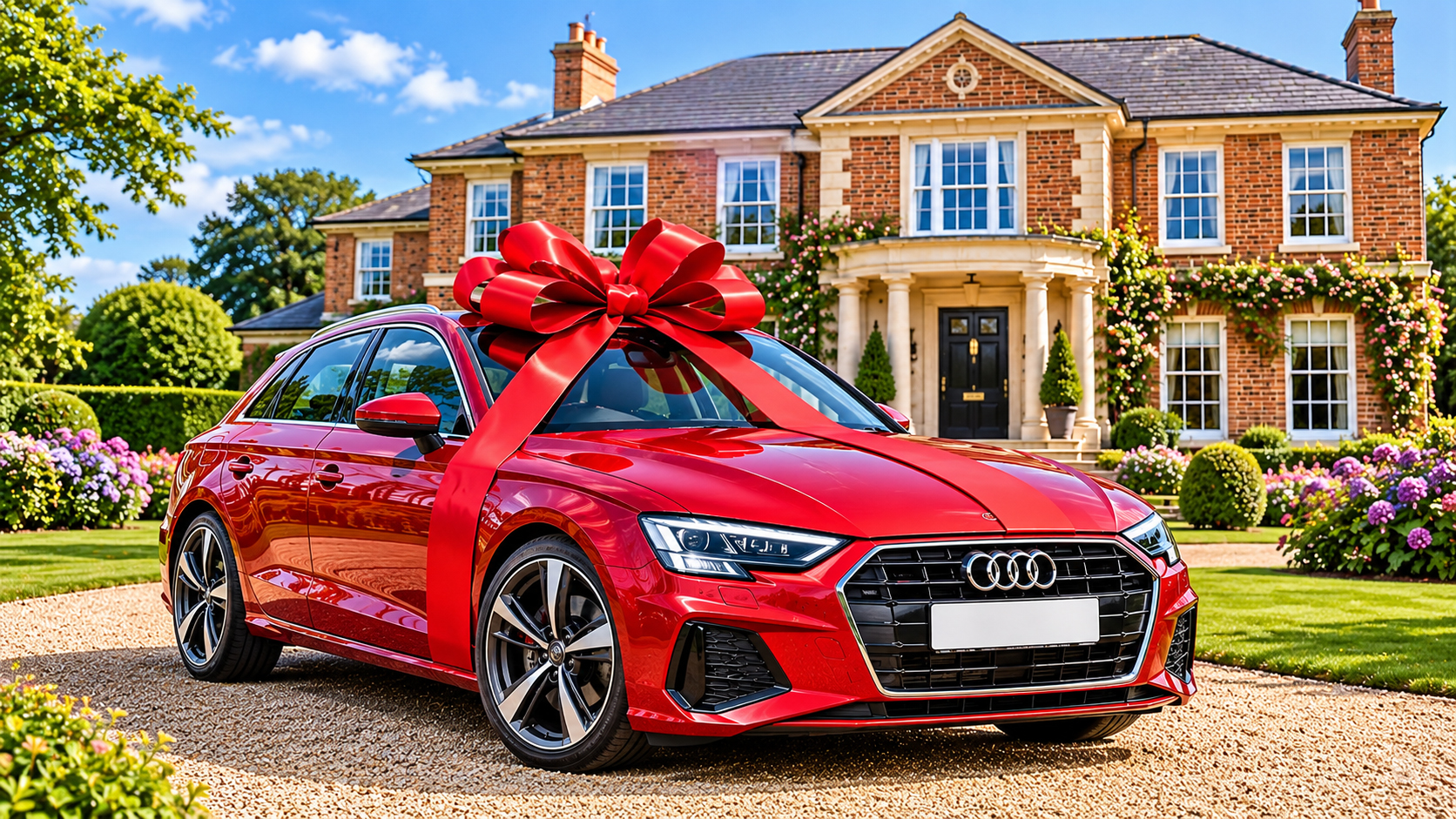
This is how I would run a raffle draw.
1. Sell tickets; each entry gets a unique reference number, but this is not the lottery or draw number. There are a few good reasons you should never issue actual ticket numbers at this point; first, you need to validate the entry. If you later find an entry is invalid after you’ve already issued the number, you’ll have a gap in your draw numbers. For example, one draw offered free entries based on how much you spent, but a flaw let someone exploit it to get over 30,000 free entries without buying any tickets before it was spotted; because the draw numbers had already been issued, it created a massive hole and meant they had to do a lot of redraws to find the actual winner. You also don’t know how many tickets you are going to sell; draw to draw, you will sell different amounts, so issuing actual draw numbers at point of sale means you’ll have a very high proportion of unsold numbers.
2. Once ticket sales have been completed, i.e. you have hit the deadline for selling, you will know how many tickets you have sold.
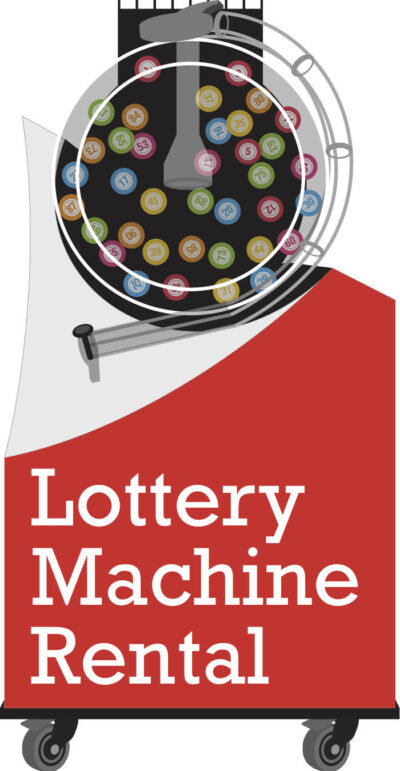
When transparency and trust are paramount, use Guinevere II for your draw.
3. This is the point where we design the draw. Let’s say you aimed to sell 1,000,000 tickets, but have sold 585,679. A 6-from-30 draw gives you 593,775 possible combinations (I just worked this out quickly, but we would use a matrix of draws to find the one closest to the total number of tickets you have sold). To explain, 6-from-30 means you have 30 balls in the machine (numbered 1 to 30) and select six numbers to win. This means you have 8,096 ‘unsold’ combinations. This is just 1.38% unallocated tickets; in other words, you could run your draw 200 times and expect only 2 to 3 invalid draws.
4. Once you have designed the draw, issue the tickets.
There is a lot more gameplay with a combination draw. Yes, they are typically used for draws with no guaranteed winner, but that is because most people don’t understand them or how powerful they are. As you have seen here, you can use them when you need a guaranteed winner. In our example, you can run the draw once and have your winner.
With a combination draw, the excitement and tension build throughout, and they don’t dissipate the instant you call the last ball number; they linger as participants compare their tickets and declare, “I was just one number away from winning!” You do not get that with a sequential number draw. With 1,000,000 tickets, you have ticket 0008529 and ticket 0737281 is drawn; you are nowhere near winning. But if you have 1, 6, 8, 15, 24 and 30, and 1, 6, 8, 15, 22 and 28 are drawn, you feel you were close to winning. And with 593,775 combinations in our example, you will have thousands of near winners, some with three, some with four and some with five of the six winning numbers.
This type of draw is not new. Clubs across the UK have run similar combination draws for years, often called Quick or Quickie Bingo. A 4-from-14 draw is a prime example: it has 1,001 combinations. Clubs sell tickets to their members, and when they’re sold out, they pull four numbers and have one winner. We use the same type, just with more combinations, to match as closely as possible to the number of tickets you have sold.
I am also a bit fastidious about draw security and the protocols you use throughout the draw process. Your presenters should not touch or contact any of the balls at any time. An independent draw master should load the balls. Your presenter or Celebrity can start the machine, but that is it. Once the balls have been selected, your presenter or Celebrity must not touch them; do not turn them round to show the numbers the correct way up. Lottery balls are designed so you can always see the number on the ball, no matter how they come out of the machine. When not in use, keep the balls under lock and key. We use numbered security tags to track and ensure total security of the ball sets at all times. You can only operate Guinevere II with a key; when not in use, it is kept locked and also comes in a lockable flight case. This means Guinevere II is perfect for any draw, with any number of tickets sold.
We also follow other best-practice draw protocols. This means that when you use Guinevere II, your draw is credible and trustworthy, and because of its security measures and protocols, all your draws are independently verifiable and auditable.
When transparency and trust are paramount, use Guinevere II for your draw.






Leave A Comment