
Bingo is the Perfect Tool for Training
Compass Group, One Retail, annual managers’ conference use The Monet Bingo Machine to break up their day and raise much-needed cash for the Alzheimer's Society. According to research, playing bingo requires concentration and listening skills, and by exercising these, you sharpen your cognitive abilities. The game can help you improve your business events and training. Bingo is a brilliant educational tool. In fact, for over 150 years, we have used it as a teaching tool. If you have kids, I bet you have a bug, animal, or picture-based bingo game amongst their toys. There is a very good reason for that: it is a fun way to learn and reinforce knowledge. But on a deeper [...]
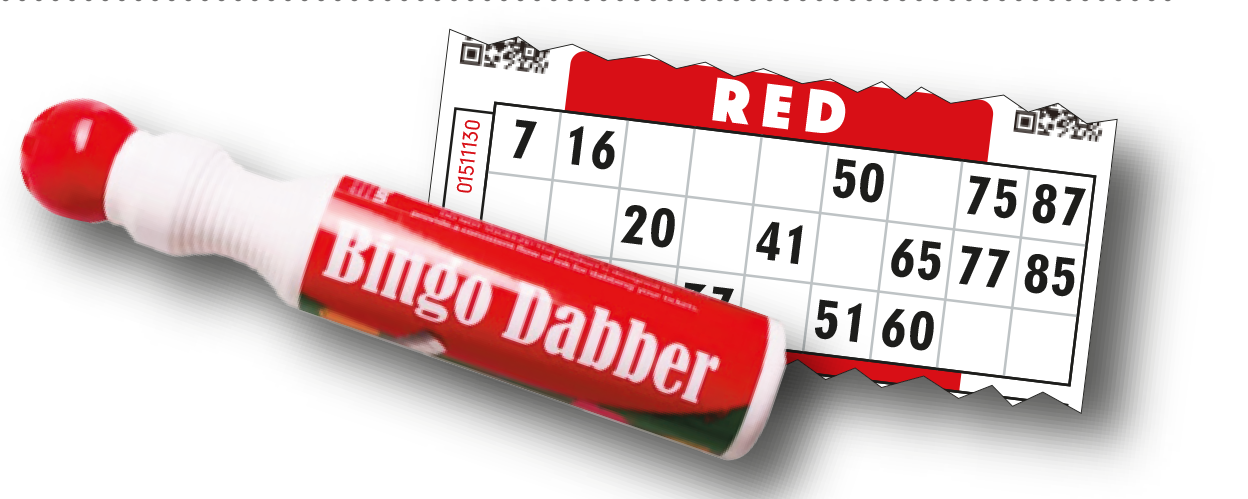
90 Number Bingo Tickets Explained
Each ticket or House has three rows and nine columns with 15 numbers and 12 spaces. Five numbers per row. Tickets are usually printed six-up on a sheet, sometimes 12. A strip of six has all numbers 1 to 90 (15 numbers per house x 6 = 90). So a strip of 12 tickets has all the numbers twice. The first column has the numbers 1 to 9, The second column 10 to 19, The third 20 to 29, The fourth 30 to 39, The fifth 40 to 49, The sixth 50 to 59, The seventh 60 to 69, The eighth 70 to 79 And the final ninth column has the numbers 80 to 90. Once you understand [...]
Scotland’s Last Fairground Bingo
Scotland's Last Fairground Bingo Hancock's Bingo are also the Last to Play 100-Number Bingo
Bingo in the First World War
Bingo Heroes: Arthur Charles Bannington One of the earliest and best descriptions of Bingo was written by Arthur Charles Bannington. In the First World War, he joined the Motorised Machine Gun Corps (later the Tank Corps) and was at Ypres and Cambrai. His description of Bingo, or House as it was called then, was published in a Coventry newspaper in 1917 while he was still serving on the front line. First to State Zero Numbers are Blind Arthur Charles Bannington, from his 1918 Election Leaflet He is the first to state that numbers ending in zero are called 'blind' and to explain why nicknames are used: "To prevent eleven being confused with seven he [...]
The Blind Half Hundred
Bingo Nicknames #50 The Blind Half-Hundred / The Blind ‘alf ‘undred, The Dirty Half-Hundred & The Old West Kents One of the earliest Bingo Nicknames, first recorded during the Boer War in 1900, came with the following amusing, but untrue, explanation: "I was told ... by one of the sergeants that their name for 50-"the blind 'alf 'undred" originated in a tradition that once upon a time the 50th regiment, roused in the night to scatter an approaching enemy, crept stealthily along till they believed they were near and then hurled themselves furiously against—a brick wall!" #50 nicknames in Regimental Bingo: The Blind Half Hundred, The Dirty Half Hundred or the Old West Kents, otherwise [...]
Regimental Bingo Nicknames
Regimental Bingo Nicknames or Lingo The earliest record of soldiers playing the game in barracks is 1873, from an old soldier reminiscing about 30 years prior. Bingo was called 'House' in the Army, where there was a tradition of using regimental nicknames instead of numbers. Indeed, one of the first nicknames recorded is 'The Blind' alf 'undred' for 50. Anecdotally, a few people state there were nicknames for all the numbers; however, they only list a few. One of the best examples is from John Masters: "Company Quartermaster Sergeant Spencer, of C, was calling the numbers, and this card he was calling Regimental House: that is, when the number he had to call was [...]