
Lingo is an oral language; as such, it was not always written down, so its origin probably postdates its earliest use.
I used the publication date rather than the reference date; in other words, if the book was published in 1926 but is a biography of a Soldier serving in the 1899-1902 Boer War, I used 1926 as the origin date.
There are also variations in spelling for some of the calls, again partly due to the oral nature of the tradition and people mishearing or misspelling the call or natural variations in spelling like the surname Kelly.
Finally, referencing earlier lingo in modern times can lead to adding more modern calls to an earlier frame; a really good illustration of this can be found in Spike Milligan’s book, ‘It Ends with Magic: A Milligan Family Story’1, which was published in 1991 and has diary entries for his family’s history.
On the 23rd December 1885, the Milligans played Housey-Housey, and in this passage Spike references several bingo calls: legs eleven (11), doctor’s orders (9), Kelly’s eye (1), and unlucky for some (13). If correct, these would be the earliest references to lingo anywhere, except they are not. Housey-Housey was called Loto, or Lotto in 1885.
Milligan also served in the British Army during the Second World War, so he would have been exposed to Housey-Housey during this time, which was what Bingo was called in the army, and lingo such as ‘doctor’s orders’’ and ‘Legs 11’ originate from the First World War and were widely used during the Second World War. So we have to take his 1885 passage with a pinch of salt, as something written over 100 years later through the lens of his experiences and knowledge.
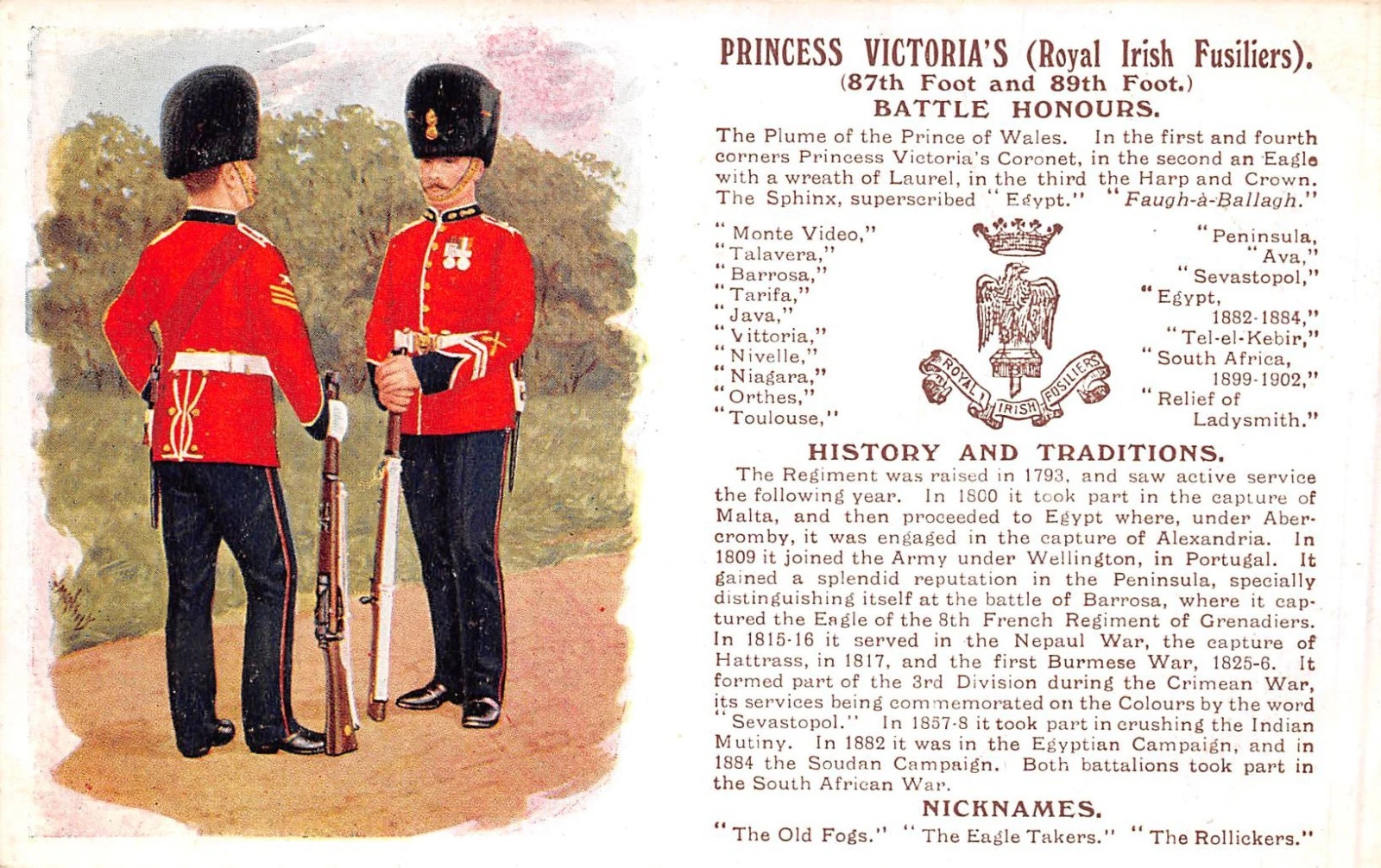
Bingo Lingo, Regimental Bingo: 87, Faugh-a-Ballagh
Bingo Lingo/Regimental Bingo: Number 87, Lingo: Faugh-a-Ballagh (Clear the way) Today’s Bingo Lingo is obscure, published only once in 1916. It fits in with regimental bingo, but it’s not a nickname; it’s a regiment’s motto and a historic battle cry. What makes it even [...]
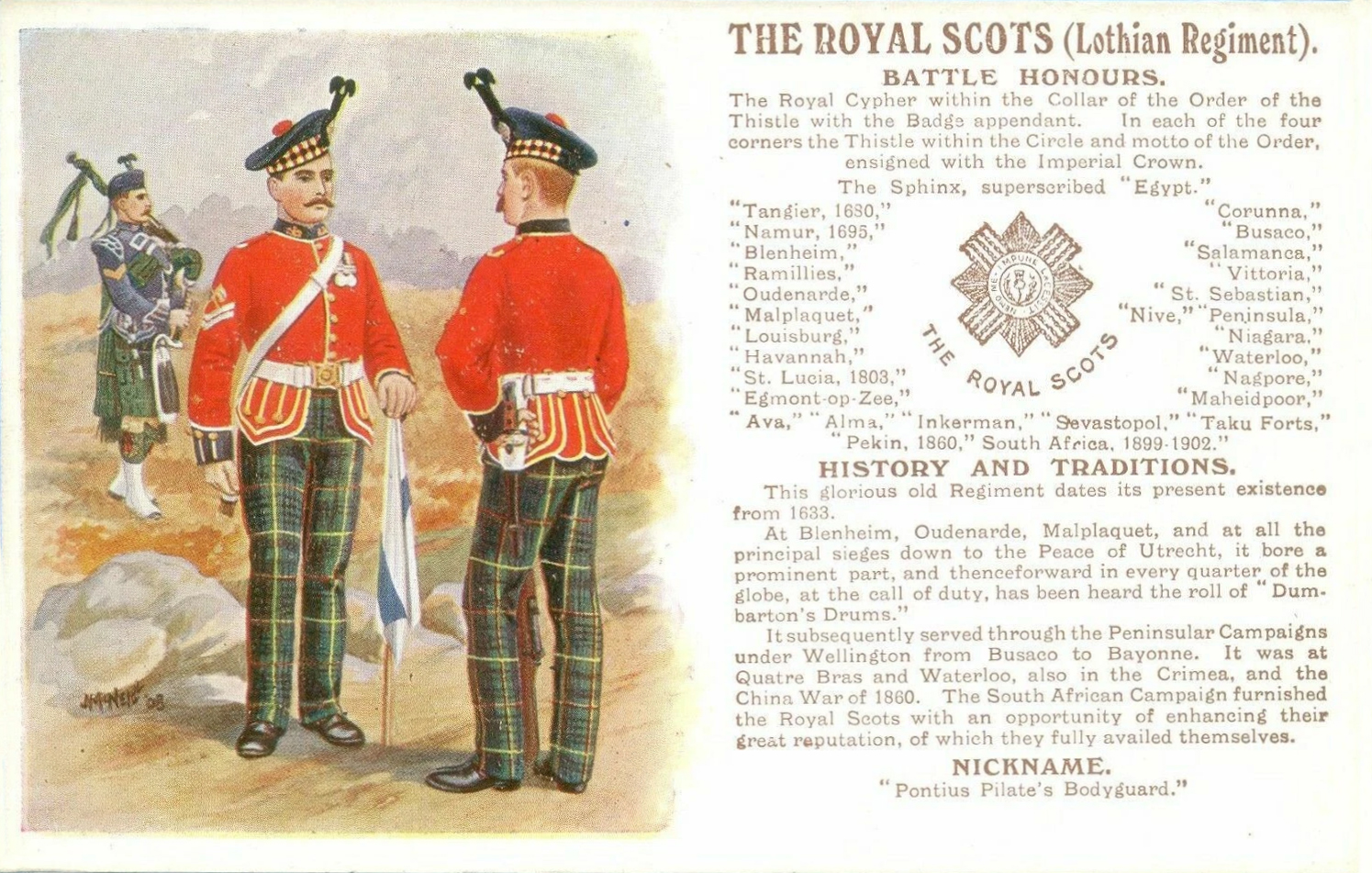
Number One, Pontius Pilate’s Bodyguard
Pontius Pilate’s Bodyguard is a jocular, tongue-in-cheek nickname for the Royal Scots (the 1st Regiment of Foot), the British Army’s oldest infantry regiment. It is also a very old nickname for the number 1 in Bingo, specifically, in what is called regimental bingo, where regimental [...]
How to be a Bingo Caller
Being a bingo caller is a lot of fun. If you have never done it before and are a little daunted by your task, here are a baker’s dozen tips to help you get started. When you first start calling, it’s easy to get flustered [...]
Should you use Bingo Lingo
Whether you use Bingo Lingo is entirely up to you and depends on your audience. You want your calls to be clear and understood; lingo can help alleviate confusion over similar-sounding numbers. But the names and the numbers they represent often change over time. ‘Was [...]

Eyes Down! The Story of Bingo
Timeshift Series 12 Episode 8 In 2013, the BBC Documentary series Timeshift did an episode on one of Britain’s most popular leisure pursuits: bingo. The programme covered how high street bingo came about almost by accident, thanks to a loophole in an obscure piece of [...]
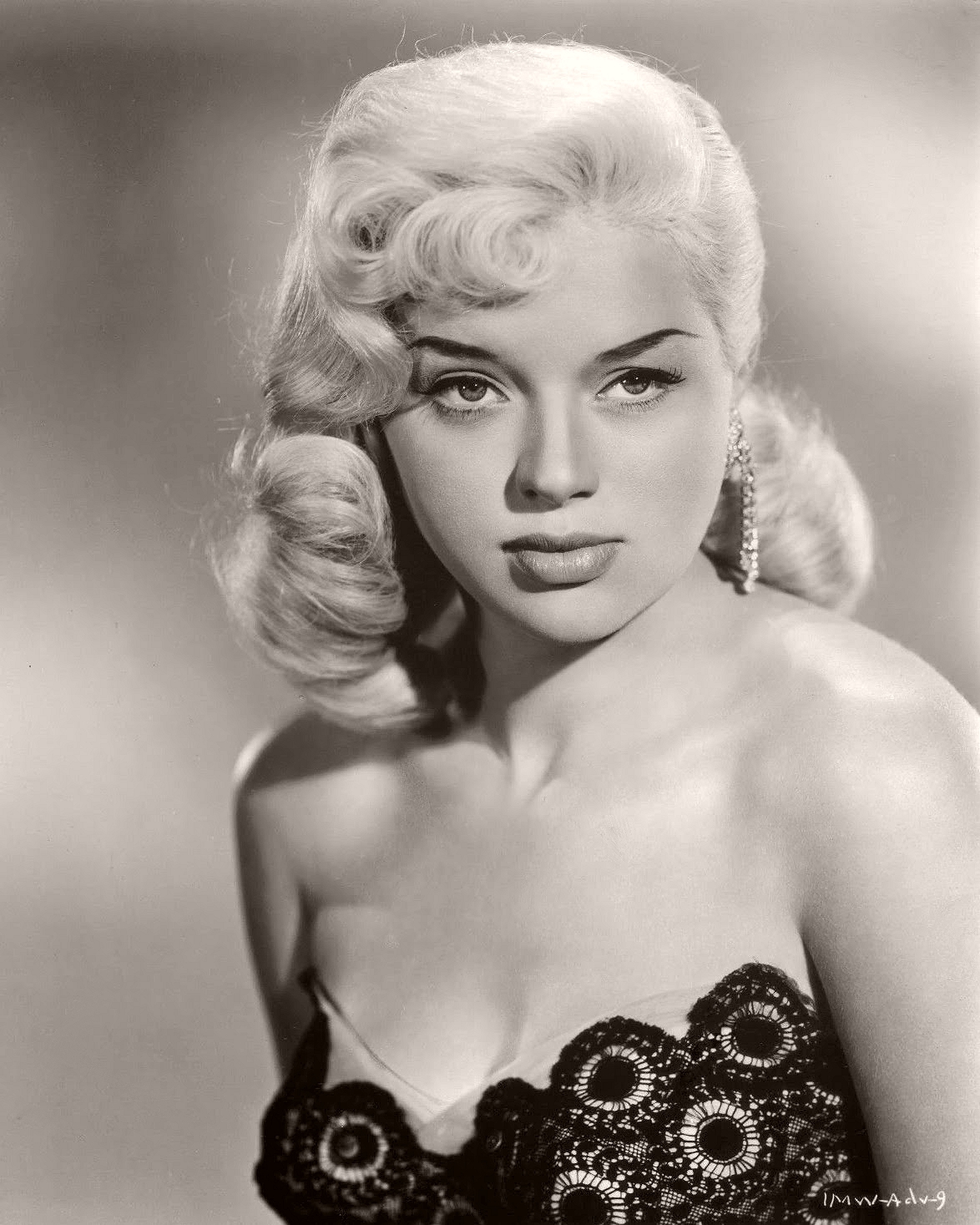
All the Fours, Diana Dors, Bingo Lingo
All the Fours, Diana Dors First Recorded: 2nd August 1968 Diana Dors, born Diana Mary Fluck, was an English actress and singer. She was a blonde bombshell nicknamed the British Marilyn Monroe. She found early fame as an actress. Diana Dors was a cultural [...]

Leave A Comment