
Lingo is an oral language; as such, it was not always written down, so its origin probably postdates its earliest use.
I used the publication date rather than the reference date; in other words, if the book was published in 1926 but is a biography of a Soldier serving in the 1899-1902 Boer War, I used 1926 as the origin date.
There are also variations in spelling for some of the calls, again partly due to the oral nature of the tradition and people mishearing or misspelling the call or natural variations in spelling like the surname Kelly.
Finally, referencing earlier lingo in modern times can lead to adding more modern calls to an earlier frame; a really good illustration of this can be found in Spike Milligan’s book, ‘It Ends with Magic: A Milligan Family Story’1, which was published in 1991 and has diary entries for his family’s history.
On the 23rd December 1885, the Milligans played Housey-Housey, and in this passage Spike references several bingo calls: legs eleven (11), doctor’s orders (9), Kelly’s eye (1), and unlucky for some (13). If correct, these would be the earliest references to lingo anywhere, except they are not. Housey-Housey was called Loto, or Lotto in 1885.
Milligan also served in the British Army during the Second World War, so he would have been exposed to Housey-Housey during this time, which was what Bingo was called in the army, and lingo such as ‘doctor’s orders’’ and ‘Legs 11’ originate from the First World War and were widely used during the Second World War. So we have to take his 1885 passage with a pinch of salt, as something written over 100 years later through the lens of his experiences and knowledge.

Bingo in the First World War
Bingo Heroes: Arthur Charles Bannington One of the earliest and best descriptions of Bingo was written by Arthur Charles Bannington. In the First World War, he joined the Motorised Machine Gun Corps (later the Tank Corps) and was at Ypres and Cambrai. His description of [...]
The Blind Half Hundred
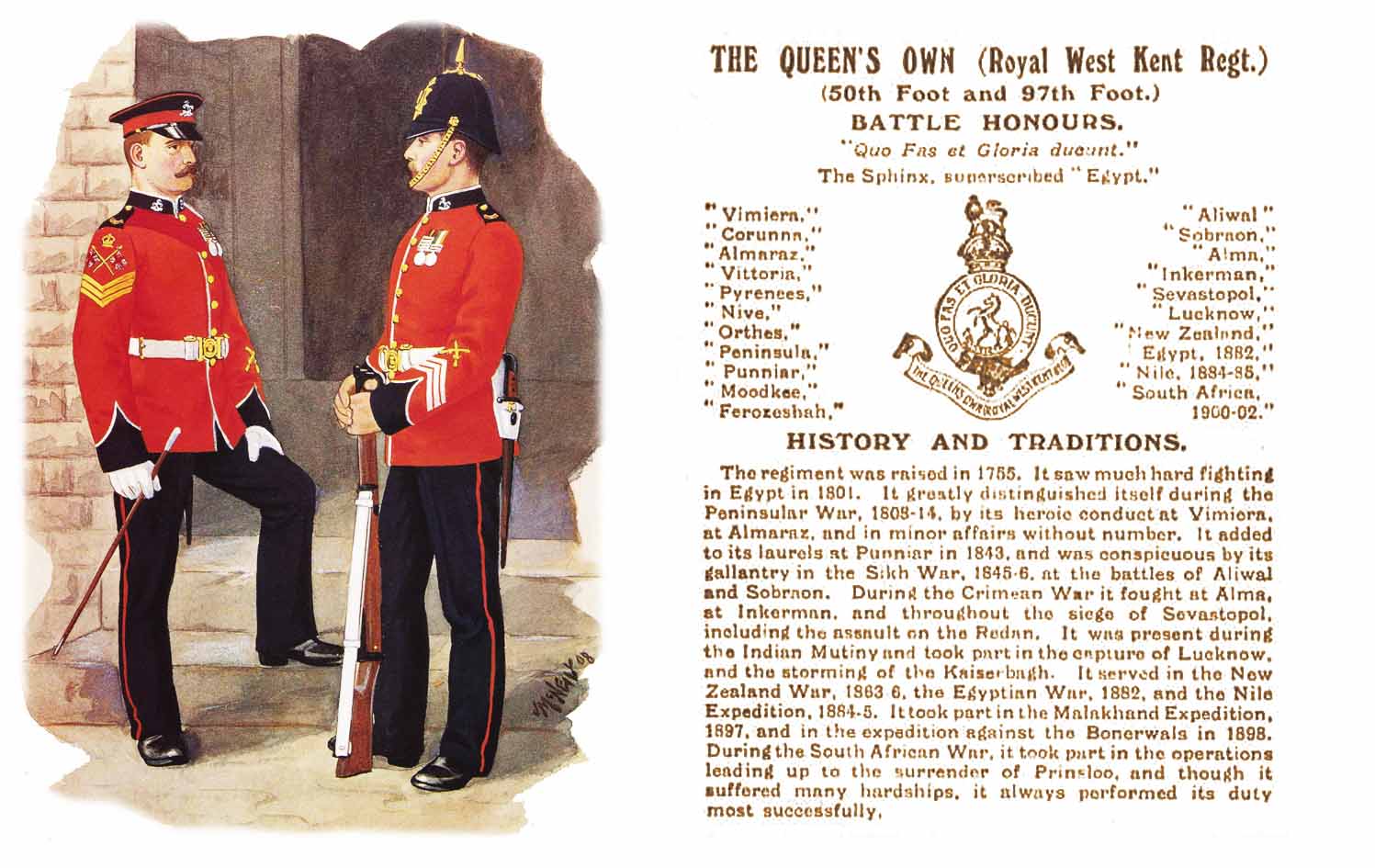
Bingo Nicknames #50 The Blind Half-Hundred / The Blind ‘alf ‘undred, The Dirty Half-Hundred & The Old West Kents One of the earliest Bingo Nicknames, first recorded during the Boer War in 1900, came with the following amusing, but untrue, explanation: "I was told ... [...]

Regimental Bingo Nicknames
Regimental Bingo Nicknames or Lingo The earliest record of soldiers playing the game in barracks is 1873, from an old soldier reminiscing about 30 years prior. Bingo was called 'House' in the Army, where there was a tradition of using regimental nicknames instead [...]
Bingo Lingo: Legs Eleven is innocent!
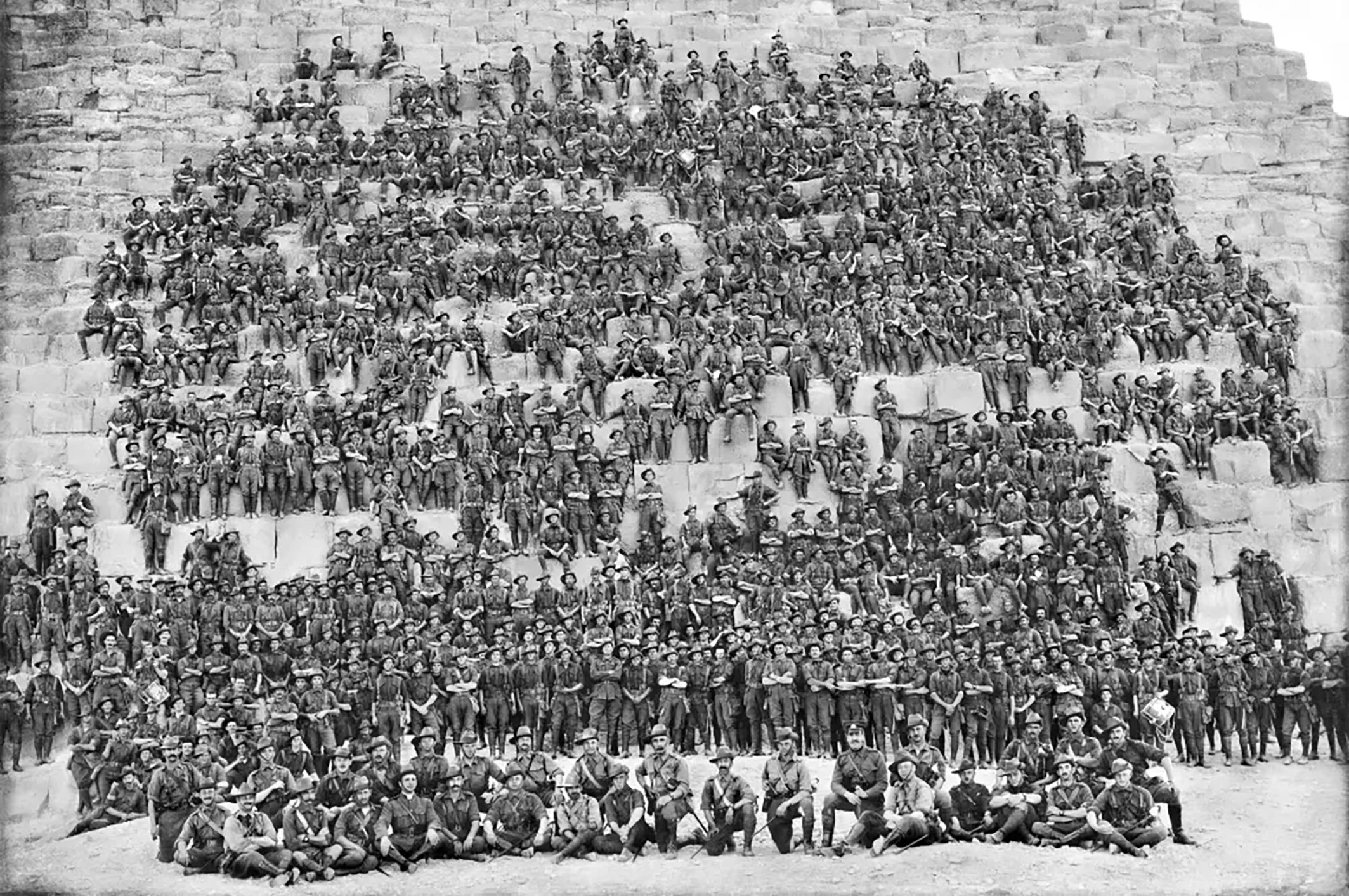
Bingo Lingo: Legs Eleven is innocent! Legs Eleven has been wrongly labelled as sexist. Its origin can be traced back to World War I. First seen in an article in an Australian publication in 19161, which is fitting because Australia is likely the origin of [...]

What is the origin of Bingo Lingo “Little Jimmy”?
"Little Jimmy" is the lingo for Number 1 in Bingo. Contrary to popular belief, Little Jimmy was not the inspiration for the Bingo Lingo Call Little Jimmy, Number 1. The term was first recorded in 1900, 72 years before "Long Haired Lover From Liverpool" [...]

Leave A Comment